
More Than Just a Tree
Walk down most roads and you’ll notice a lonely tree standing in a square patch of bare soil, hemmed in by pavement, struggling in its little island of dirt. It doesn’t have to be this way. That modest square metre at the base of a street tree, the tree pit, is one of the most overlooked opportunities for urban greening we have.
A Small Space, A Big Difference for Biodiversity
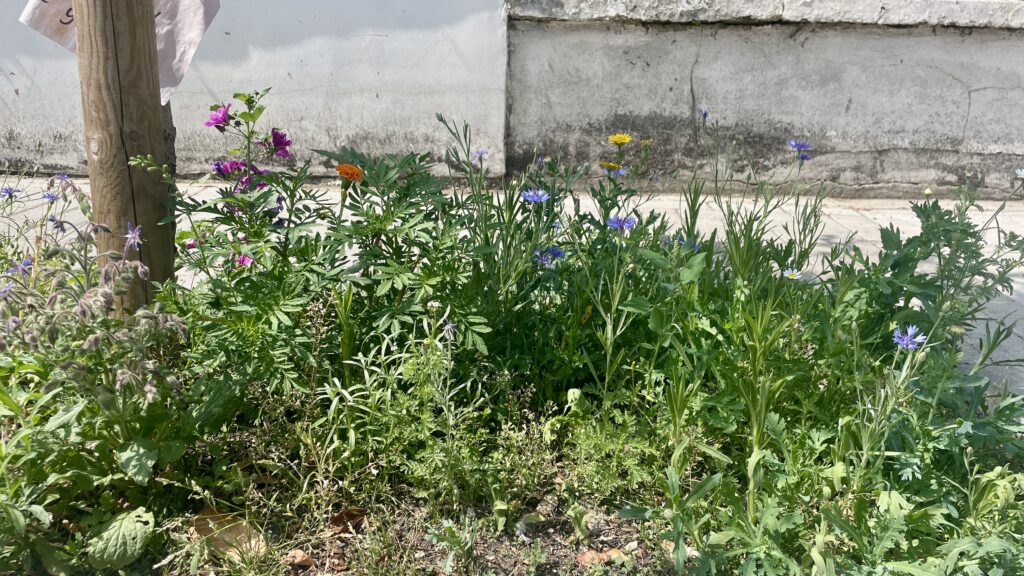
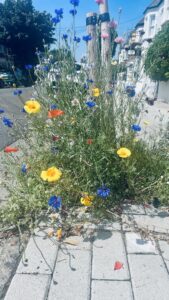
A single street tree is incredibly valuable, but a tree planted in dead ground supports far less life than one surrounded by planting. Fill that pit with nectar-rich flowers and suddenly you’ve created a miniature habitat that could link to others and create a green corridor. Poppies, cornflowers, marigolds, and verbena offer pollen and nectar through the seasons, while foxgloves, knapweed, and teasel provide food for bees, butterflies, and seed-eating birds. Ferns and hellebores give shelter for insects and ground beetles, while fennel serves butterfly caterpillars.
Crucially, species diversity matters. A mix of plants flowering from spring bulbs (crocuses, daffodils, hyacinths) through summer favourites like honeysuckle, rudbeckia, and aster right into autumn means nectar and pollen are available almost year-round. Pollinators no longer need to travel between disconnected parks, they can hop from pit to pit, tree to tree, creating a living network along the entire street. Add in leaf litter and stems left over winter, and your tree pit becomes an overwintering refuge for insects.
Nature’s Sponge: Slowing the Flow of Rain
Paved cities have a problem: rain has nowhere to go. Water flows down pavements and roads, overwhelming drains, picking up pollution, and contributing to flash flooding. Every bit of permeable ground helps to alleviate the run-off and prevent overflowing sewage systems.
Tree pit planting turns a compacted, water-shedding square of earth into a living sponge. Soil rich with roots and organic matter absorbs rainfall rather than shedding it, and plant foliage intercepts rain before it even hits the ground. Perennials like astrantia, geranium, and nepeta spread their roots through the soil, improving infiltration and holding moisture through dry spells, which helps the tree itself. Residents sometimes worry that planting will “take water away” from the tree, but well-chosen groundcover species generally coexist happily with a healthy sapling, and the shared soil benefits everyone.
Planting also suppresses weeds, protects the soil from compaction and from being trampled. It keeps moisture during hot summers, meaning less watering is needed, resulting in a healthier and more resilient tree.
Growing Community, One Pit at a Time
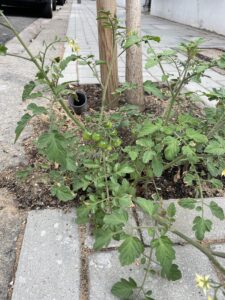
Perhaps the most underrated benefit of tree pit planting is entirely human. These small projects invite residents to roll up their sleeves together: choosing plants, digging, planting, watering through the summer, and admiring the results.
Neighbours who might otherwise never speak end up trading cuttings, plants, tips, and watering duties. It’s a wonderful way for residents to collaborate and create social cohesion. Beautification of a street through planting signals that someone cares for this patch of street, which tends to reduce littering and dumping.
Whether organised as a street-wide effort or quietly started by one household, tree pit planting gives residents a shared, tangible stake in their neighbourhood. Few things build goodwill quite like a sunflower growing defiantly out of the pavement.
Choosing Your Plants: Some Guidance
Not every plant is suited to sharing soil with a young tree. Avoid:
- Woody or competitive plants like lavender and rosemary, which will compete with the sapling for water and nutrients
- Ivy and Winstead-variety climbers such as wisteria, which can smother and shade young trees
Instead, favour herbaceous perennials and annuals that fill the space without outcompeting the tree. A suggested list includes:
- Pollinator favourites: poppies, cornflower, marigold, zinnia, calendula, knapweed, nepeta (catmint), verbena
- Shade-tolerant choices: hellebores, ferns, cyclamen, foxgloves (Digitalis purpurea), astrantia
- Long-season interest: rudbeckia, red valerian, red campion, wallflower, lychnis, aster ageratoides, achillea, geum
- Herbs with benefits: mint (best contained to prevent spreading) and fennel
- Spring cheer from bulbs: daffodils, crocuses, hyacinths, and tulips planted in autumn
Mix heights, colours, and flowering times to give year-round interest and support for wildlife.
A couple extra tips:
Please don’t add any raised edging around the tree base as it’s likely to become a trip hazard for pedestrians, prams, and wheelchairs.
Avoid raising the soil level against the trunk of the tree as the moisture will cause it to decay, and ultimately jeopardise its health.
Start Small, Dream Big
You don’t need a park or a budget to bring nature back to your street. Start with one tree pit, a handful of seeds, and a conversation with your neighbour. The bees will find you first. The neighbours won’t be far behind.
Have you seen a lonely tree needing company? Have you turned a tree pit into a habitat haven? Let us know your tree pit planting tips & stories!
– The Beautify Balham Team